
All members
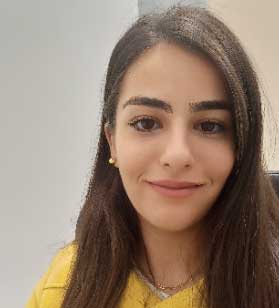
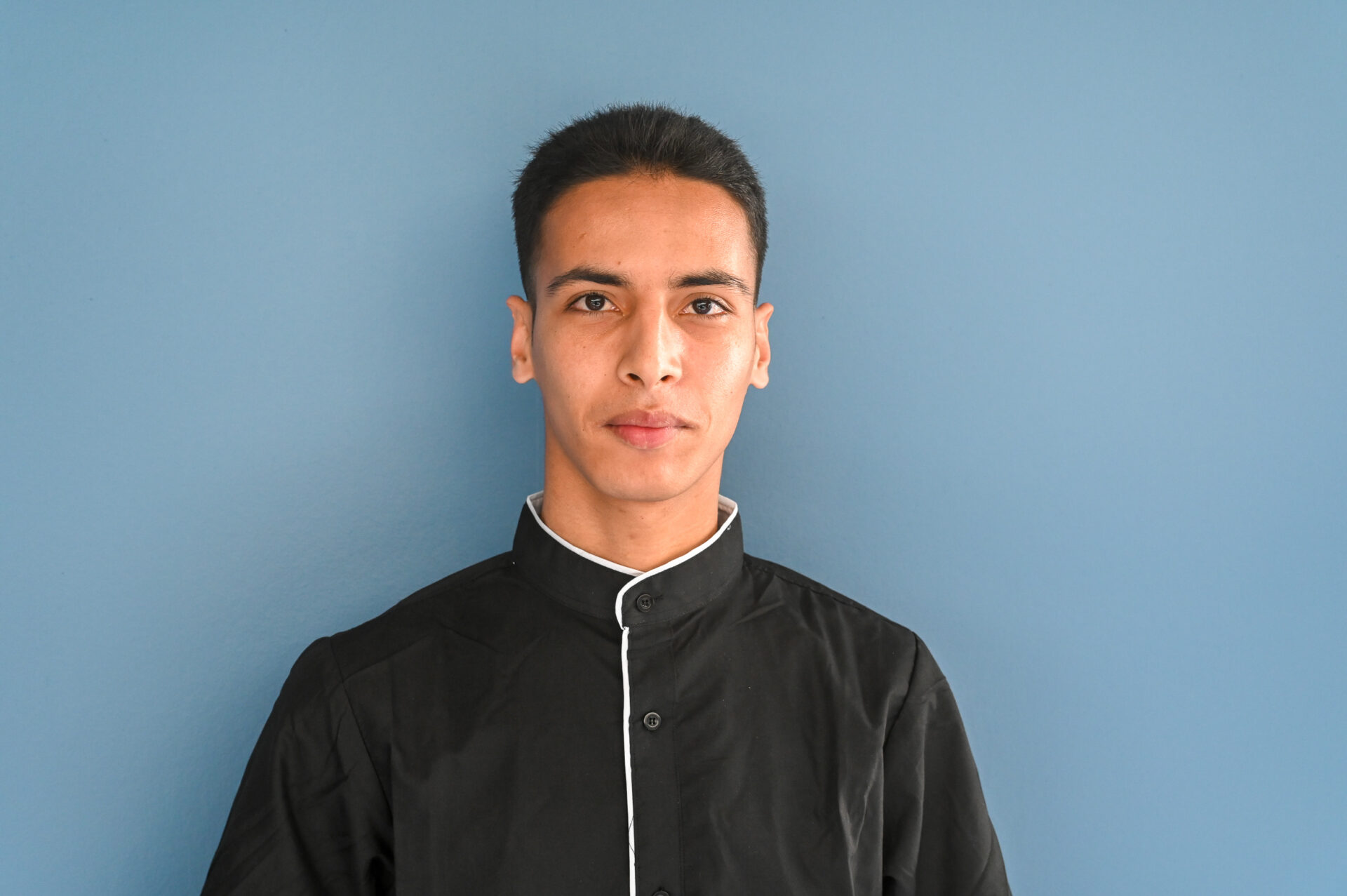
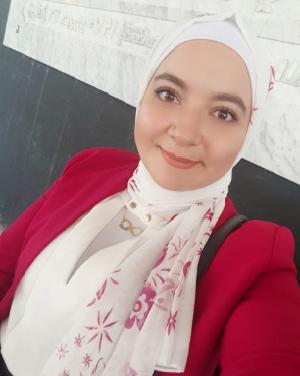
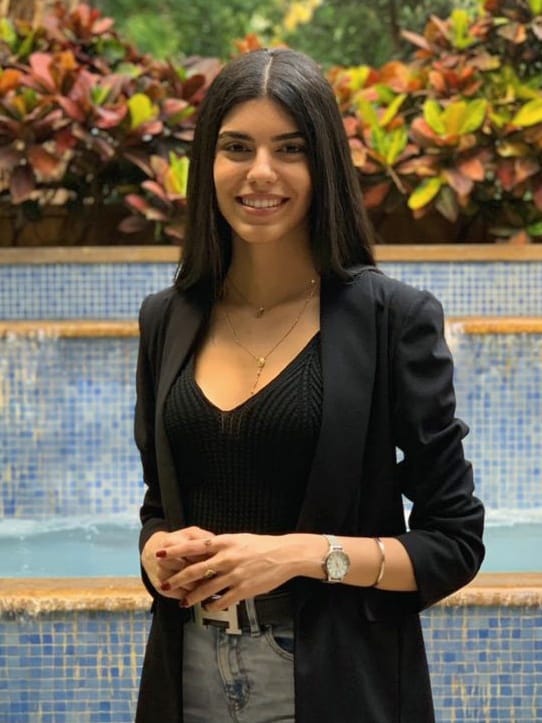

 ALONSO-DONCEL Maria-del-mar
maria-del-mar.alonso-doncel@ensicaen.fr
Postdoctoral researcher | Visiteur(e)
ALONSO-DONCEL Maria-del-mar
maria-del-mar.alonso-doncel@ensicaen.fr
Postdoctoral researcher | Visiteur(e)
 AMEDLOUS Abdallah
abdallah.amedlous@ensicaen.fr+33 (0) 6 52 48 67 33
Postdoctoral researcher
AMEDLOUS Abdallah
abdallah.amedlous@ensicaen.fr+33 (0) 6 52 48 67 33
Postdoctoral researcher #characterization#zeolites
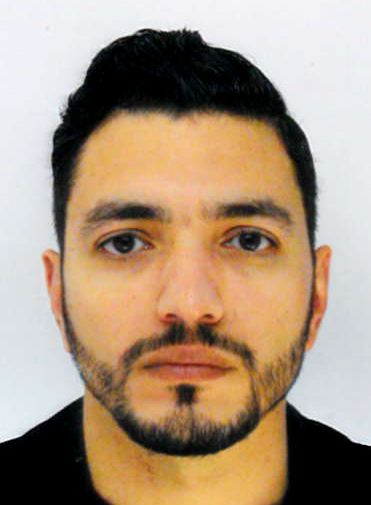 AZZOLINA JURY Federico
federico.azzolina-jury@ensicaen.fr+ 33 (0)2 31 45 27 28
Associate professor
AZZOLINA JURY Federico
federico.azzolina-jury@ensicaen.fr+ 33 (0)2 31 45 27 28
Associate professor #plasmas
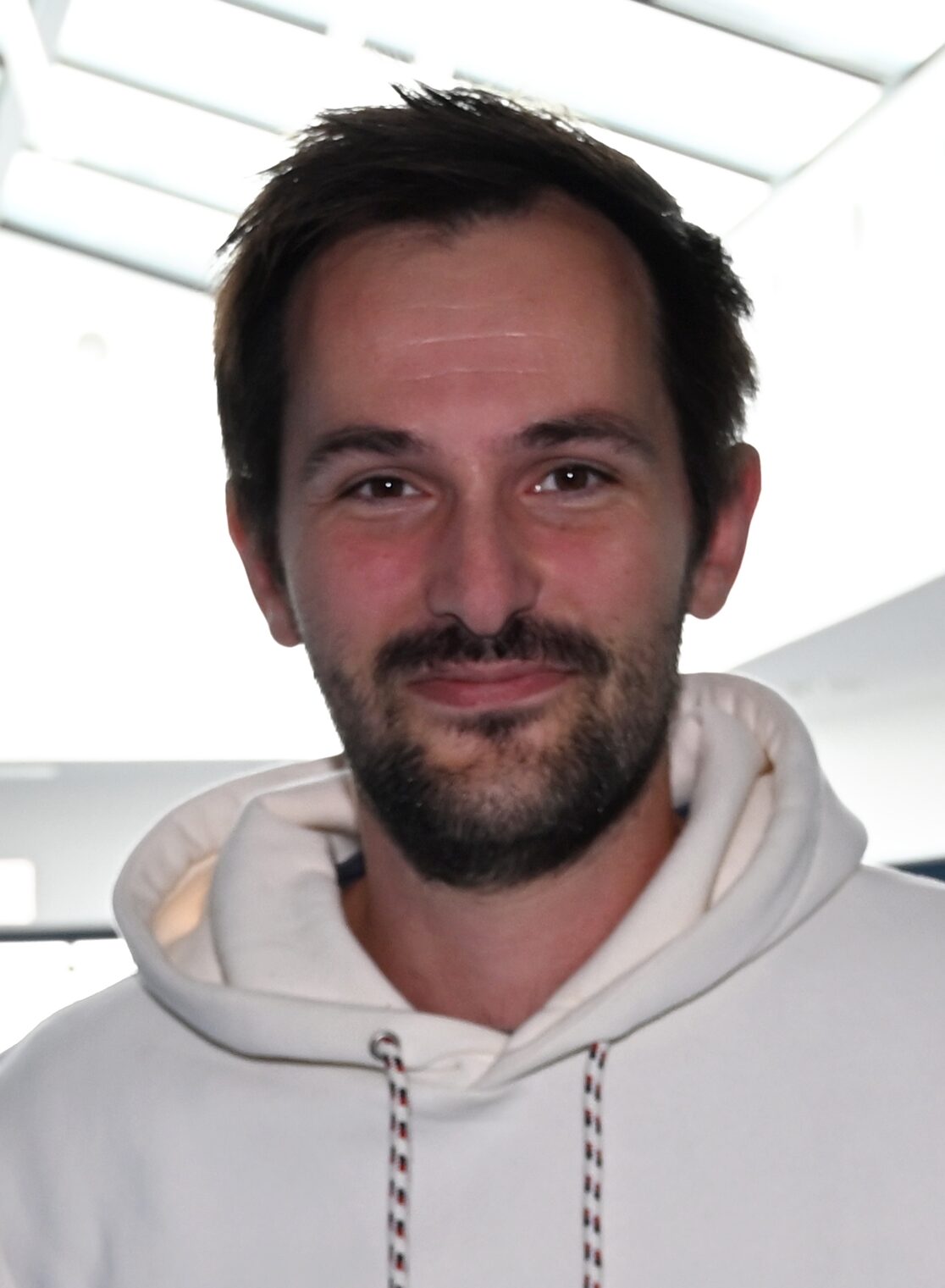
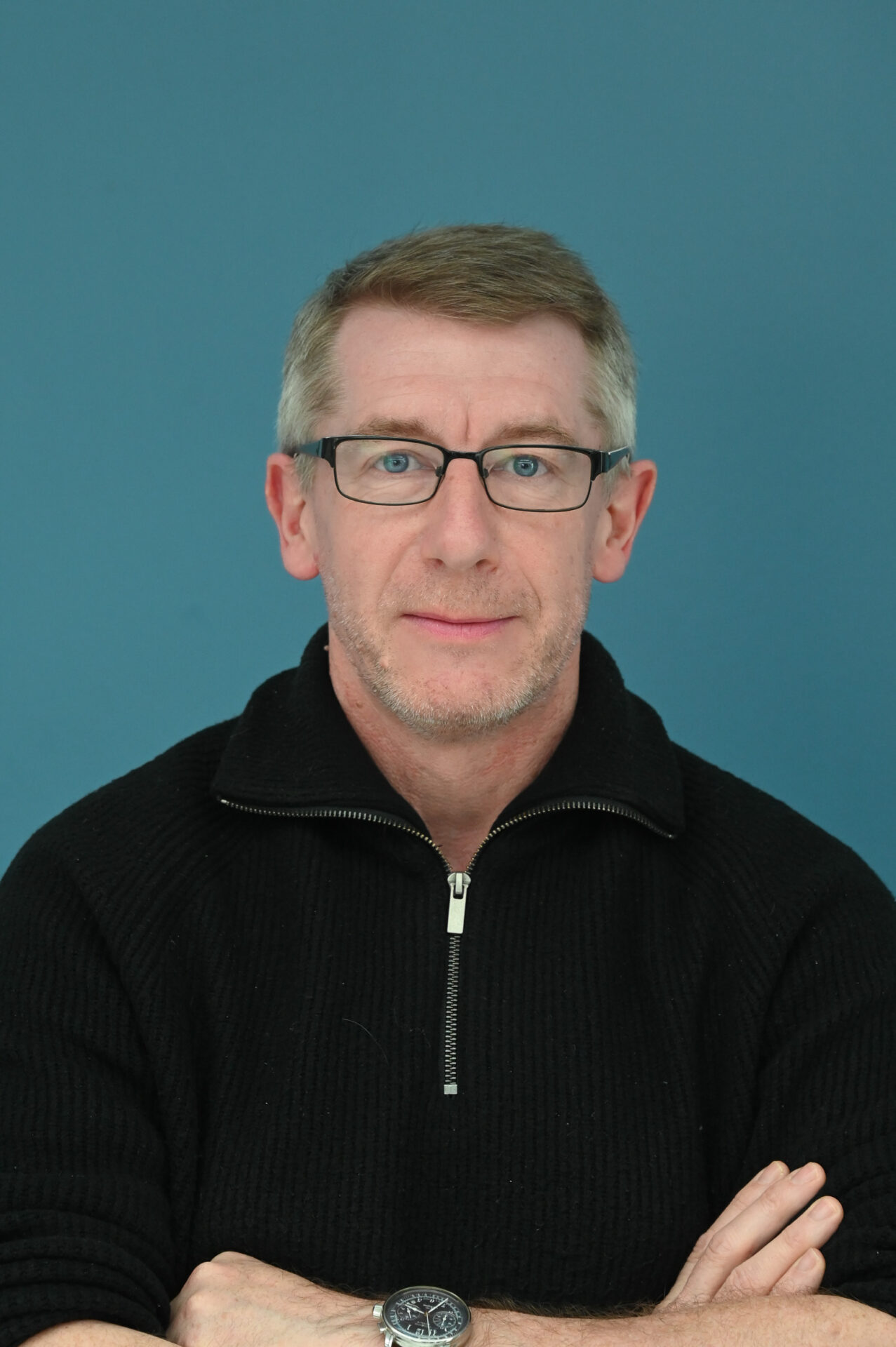 BAZIN Philippe
philippe.bazin@ensicaen.fr+ 33 (0)2 31 45 13 47
Responsable | Visio Research engineer | SST
BAZIN Philippe
philippe.bazin@ensicaen.fr+ 33 (0)2 31 45 13 47
Responsable | Visio Research engineer | SST
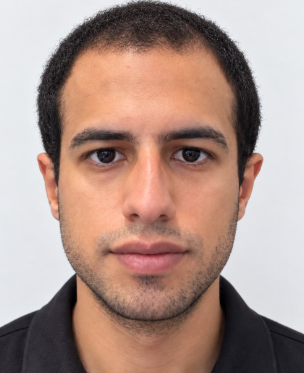
 BLASIN AUBE Vanessa
vanessa.blasin-aube@ensicaen.fr+ 33 (0)2 31 45 28 18
Research scientist
BLASIN AUBE Vanessa
vanessa.blasin-aube@ensicaen.fr+ 33 (0)2 31 45 28 18
Research scientist #catalysis#ir-spectroscopy
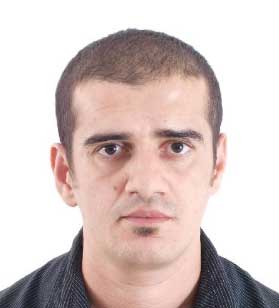
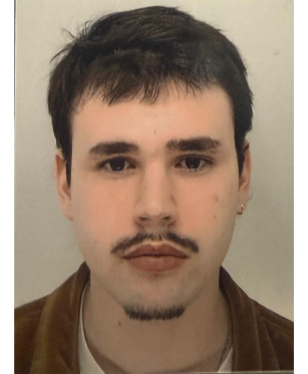
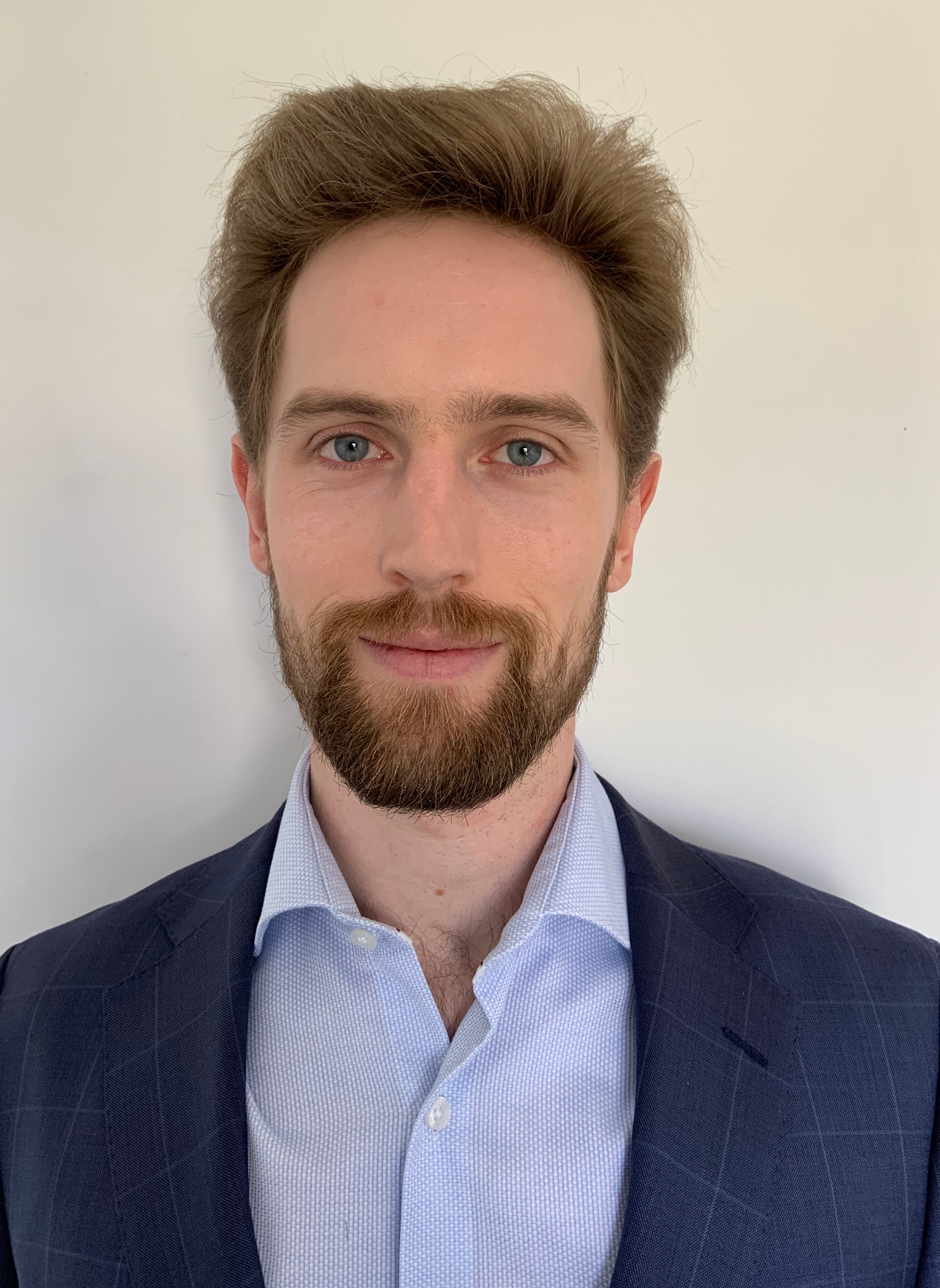 CLATWORTHY Edwin
edwin.clatworthy@ensicaen.fr+ 33 (0)2 31 45 28 28
Responsable | Adsorption & stockage des gaz Research scientist
CLATWORTHY Edwin
edwin.clatworthy@ensicaen.fr+ 33 (0)2 31 45 28 28
Responsable | Adsorption & stockage des gaz Research scientist
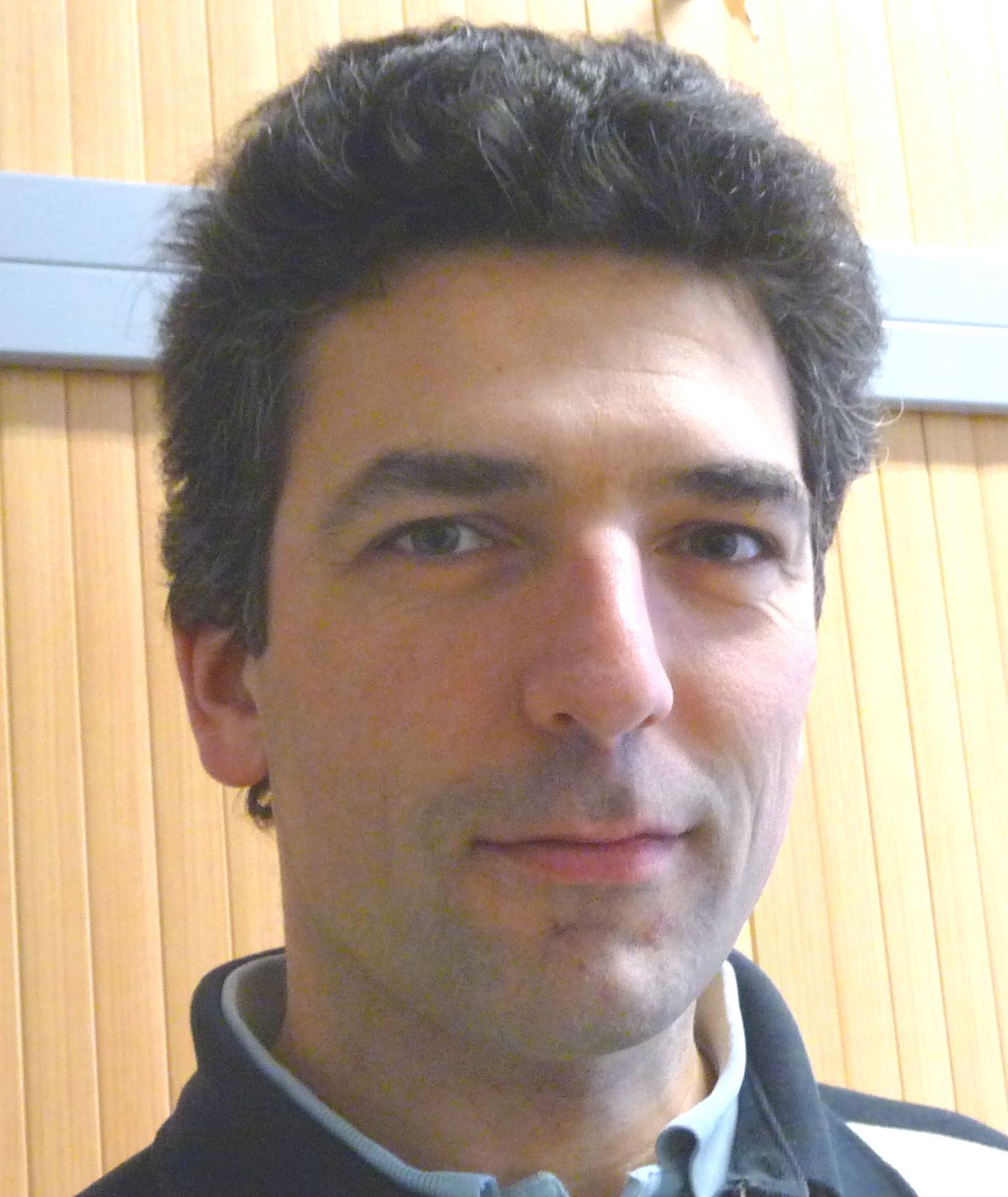 CLET Guillaume
guillaume.clet@ensicaen.fr+ 33 (0)2 31 45 28 20
Professor | Lab's Director
CLET Guillaume
guillaume.clet@ensicaen.fr+ 33 (0)2 31 45 28 20
Professor | Lab's Director #characterization#raman-spectroscopy
 DESMURS Marie
marie.desmurs@ensicaen.fr+33 (0)2 31 45 28 29
Adsorption & stockage des gazSynthéses & catactérisation Assistant engineer | SST
DESMURS Marie
marie.desmurs@ensicaen.fr+33 (0)2 31 45 28 29
Adsorption & stockage des gazSynthéses & catactérisation Assistant engineer | SST
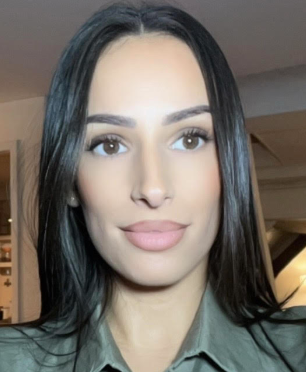
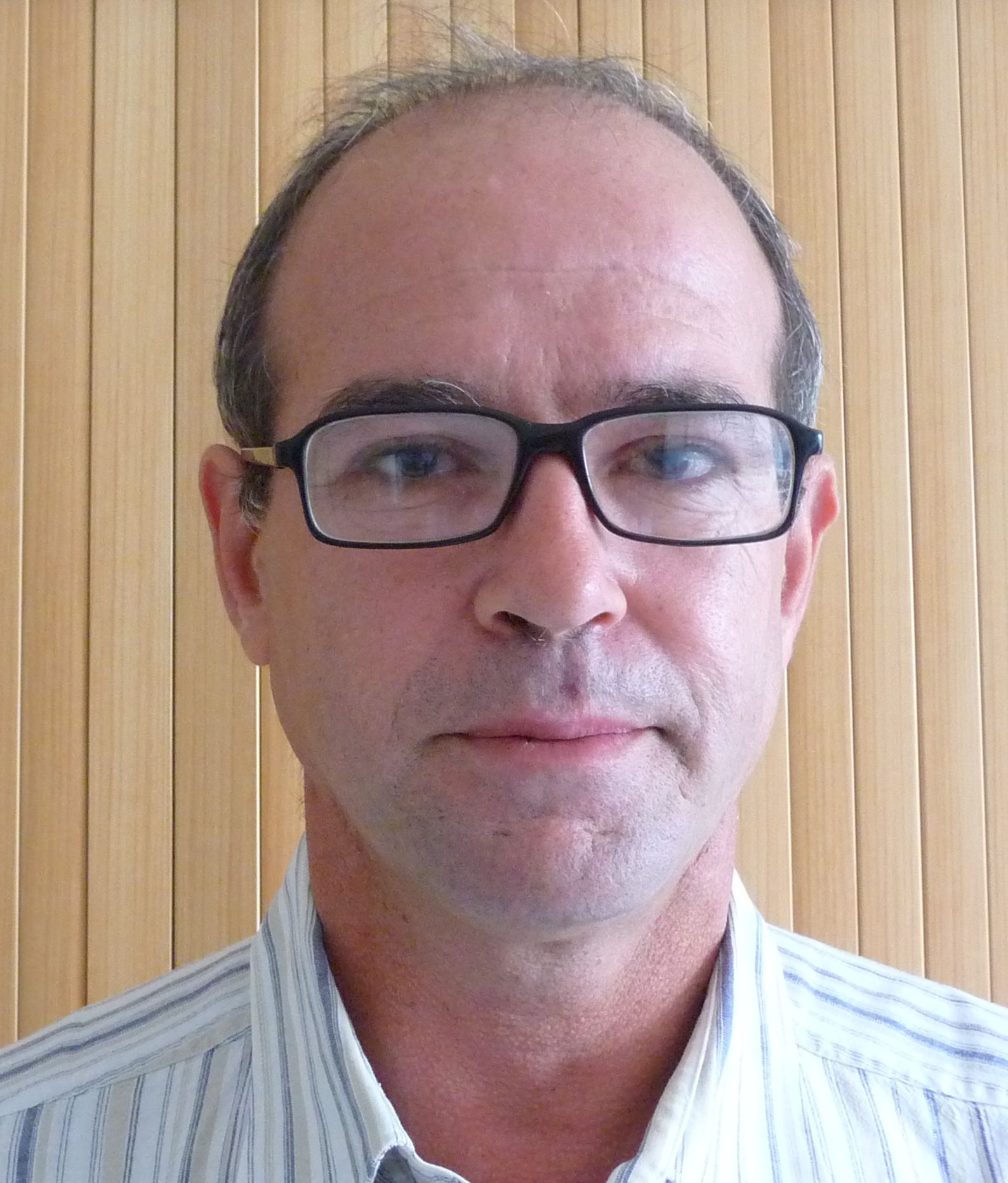
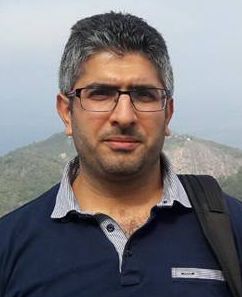 El ROZ Mohamad
mohamad.elroz@ensicaen.fr+ 33 (0)2 31 45 27 32
Research scientist
El ROZ Mohamad
mohamad.elroz@ensicaen.fr+ 33 (0)2 31 45 27 32
Research scientist #ir-spectroscopy#operando#photocatalysis
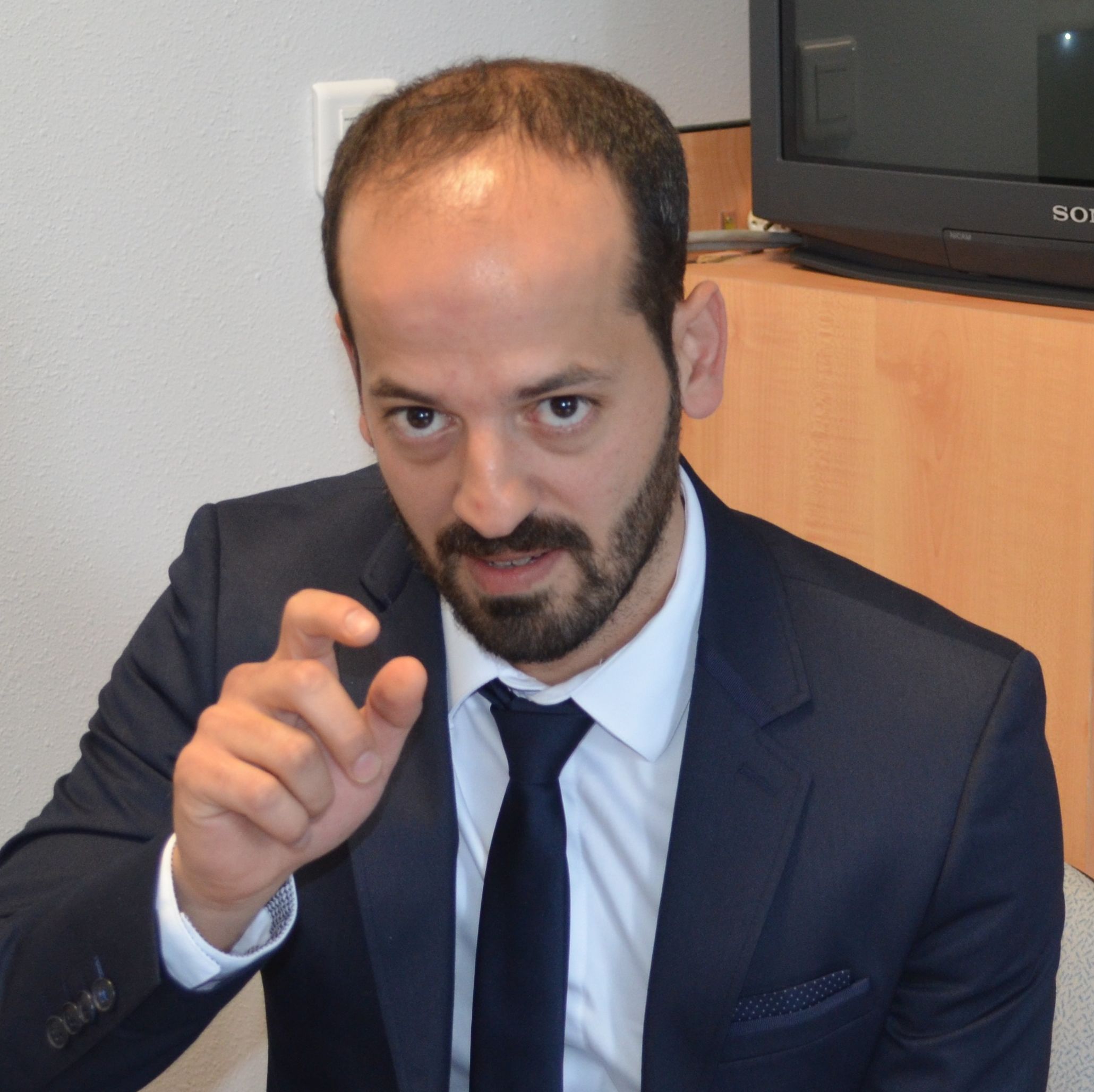
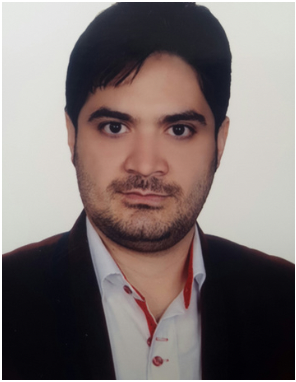
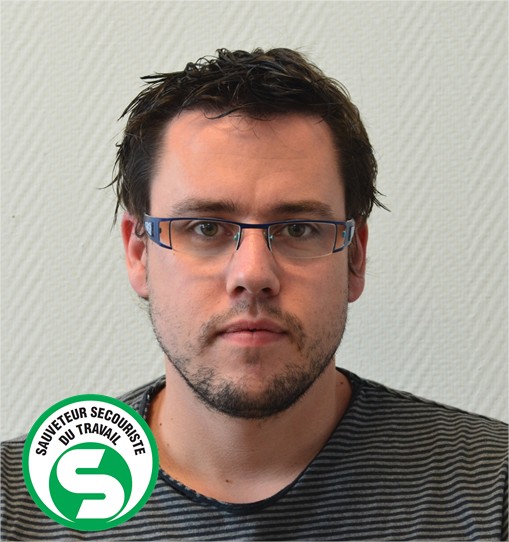 FOUCAULT Benjamin
benjamin.foucault@ensicaen.fr+ 33 (0)2 31 45 28 29
Catalyse Study engineer | SST | PSSM
FOUCAULT Benjamin
benjamin.foucault@ensicaen.fr+ 33 (0)2 31 45 28 29
Catalyse Study engineer | SST | PSSM
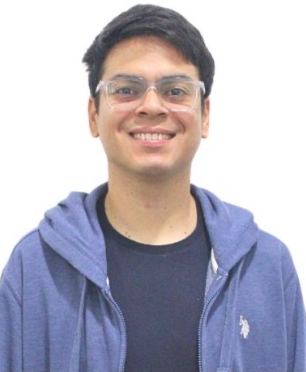
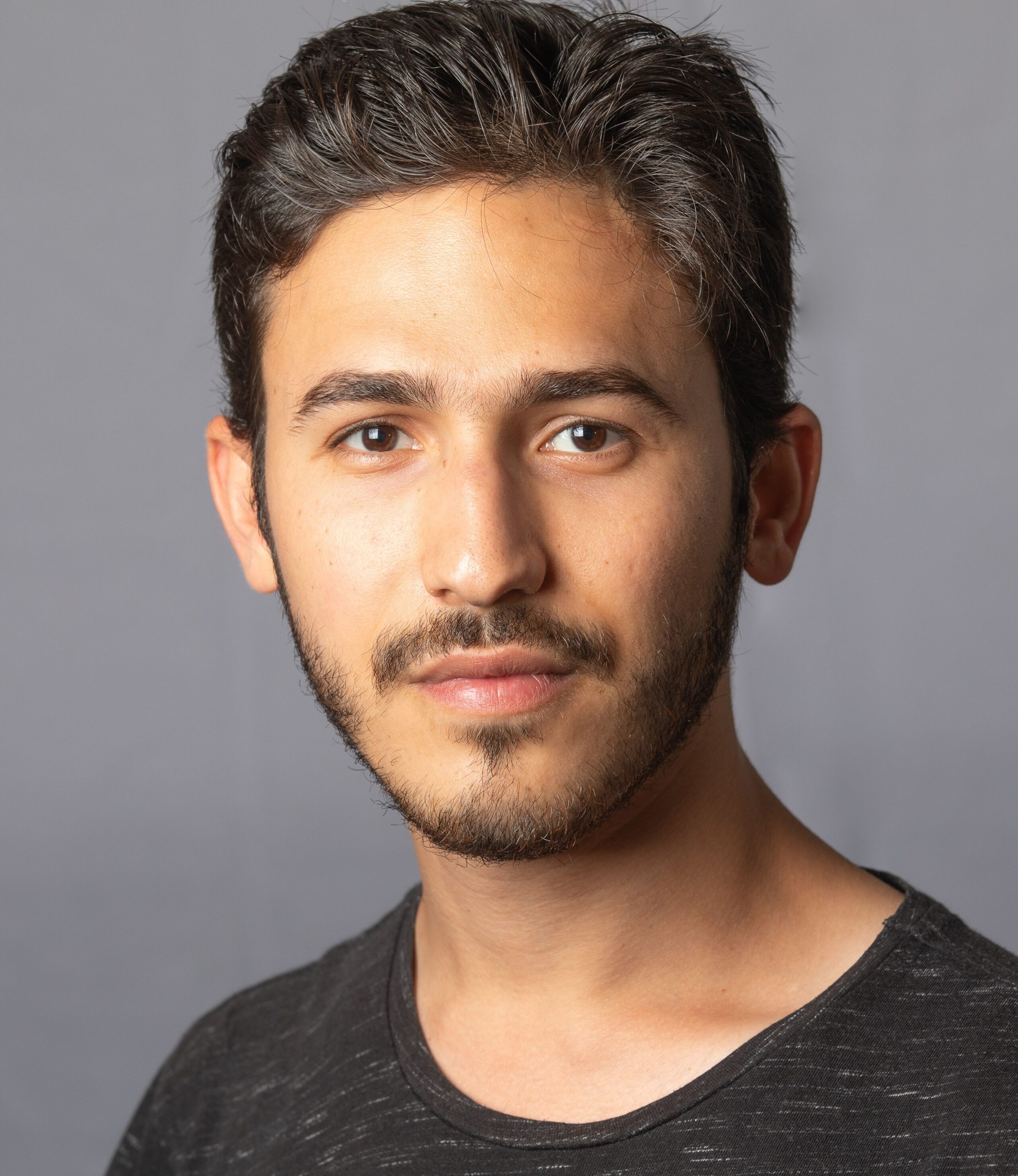
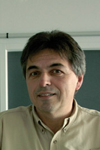
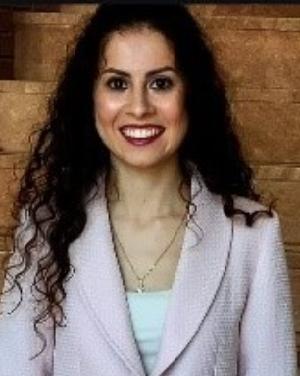
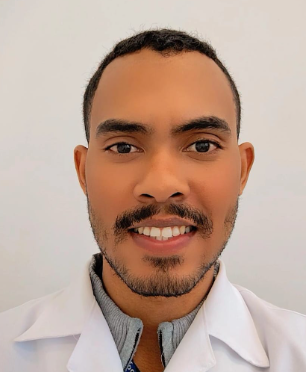
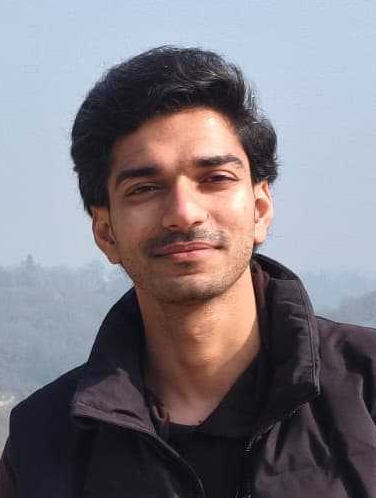
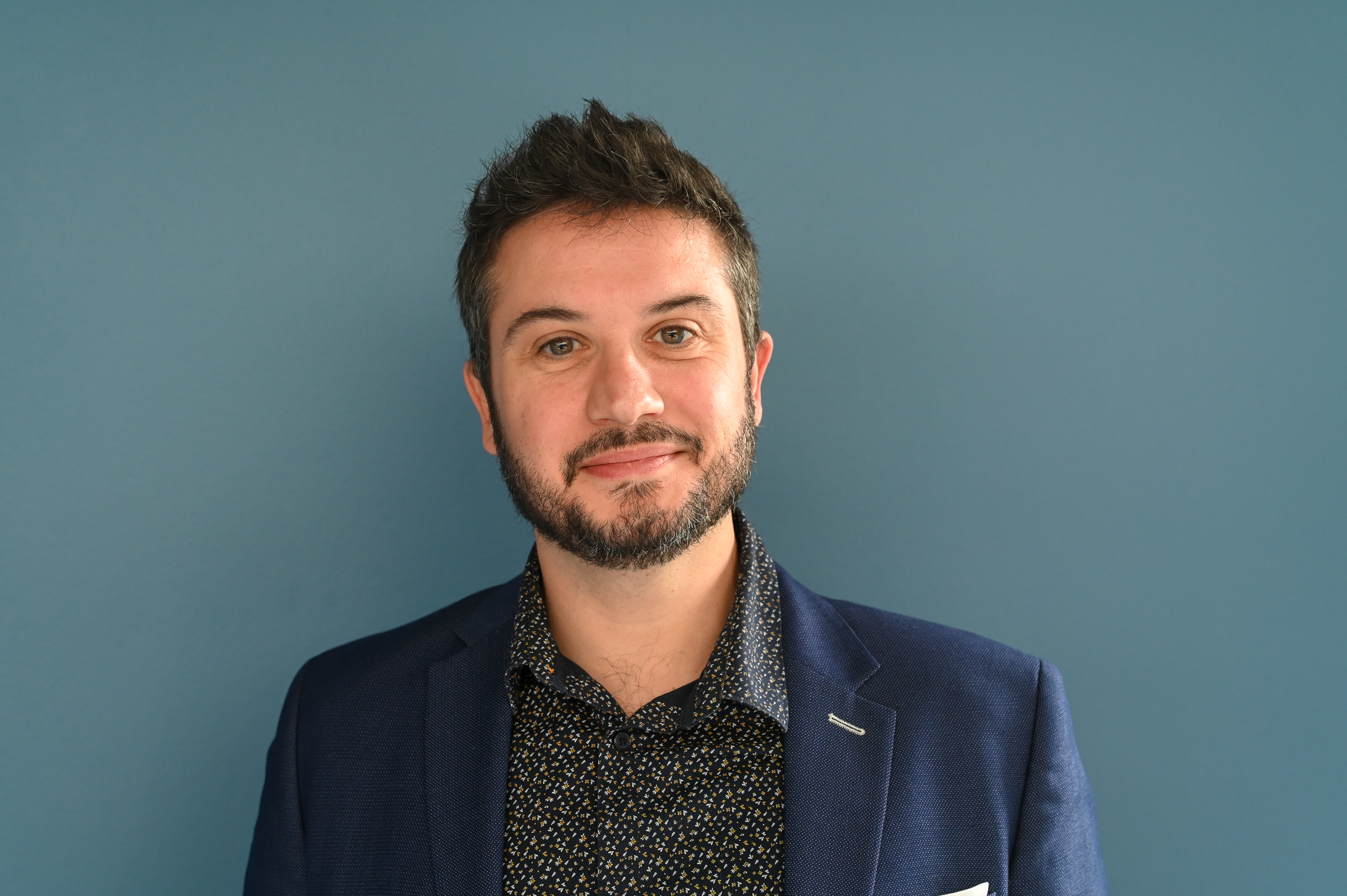 GUILLET-NICOLAS Rémy
remy.guillet-nicolas@ensicaen.fr+ 33 (0)2 31 45 27 29
Research scientist | En détachement
GUILLET-NICOLAS Rémy
remy.guillet-nicolas@ensicaen.fr+ 33 (0)2 31 45 27 29
Research scientist | En détachement
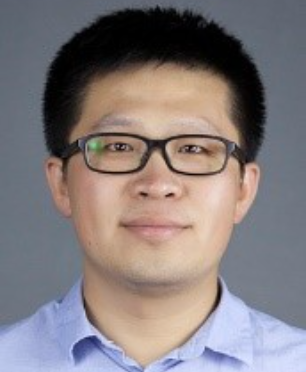
 LAKISS Louwanda
louwanda.lakiss@ensicaen.fr+ 33 (0)2 31 45 28 27
Zeolithes·Adjoint(e) Responsable | CatalyseResponsable | Synthéses & catactérisation Research engineer
LAKISS Louwanda
louwanda.lakiss@ensicaen.fr+ 33 (0)2 31 45 28 27
Zeolithes·Adjoint(e) Responsable | CatalyseResponsable | Synthéses & catactérisation Research engineer
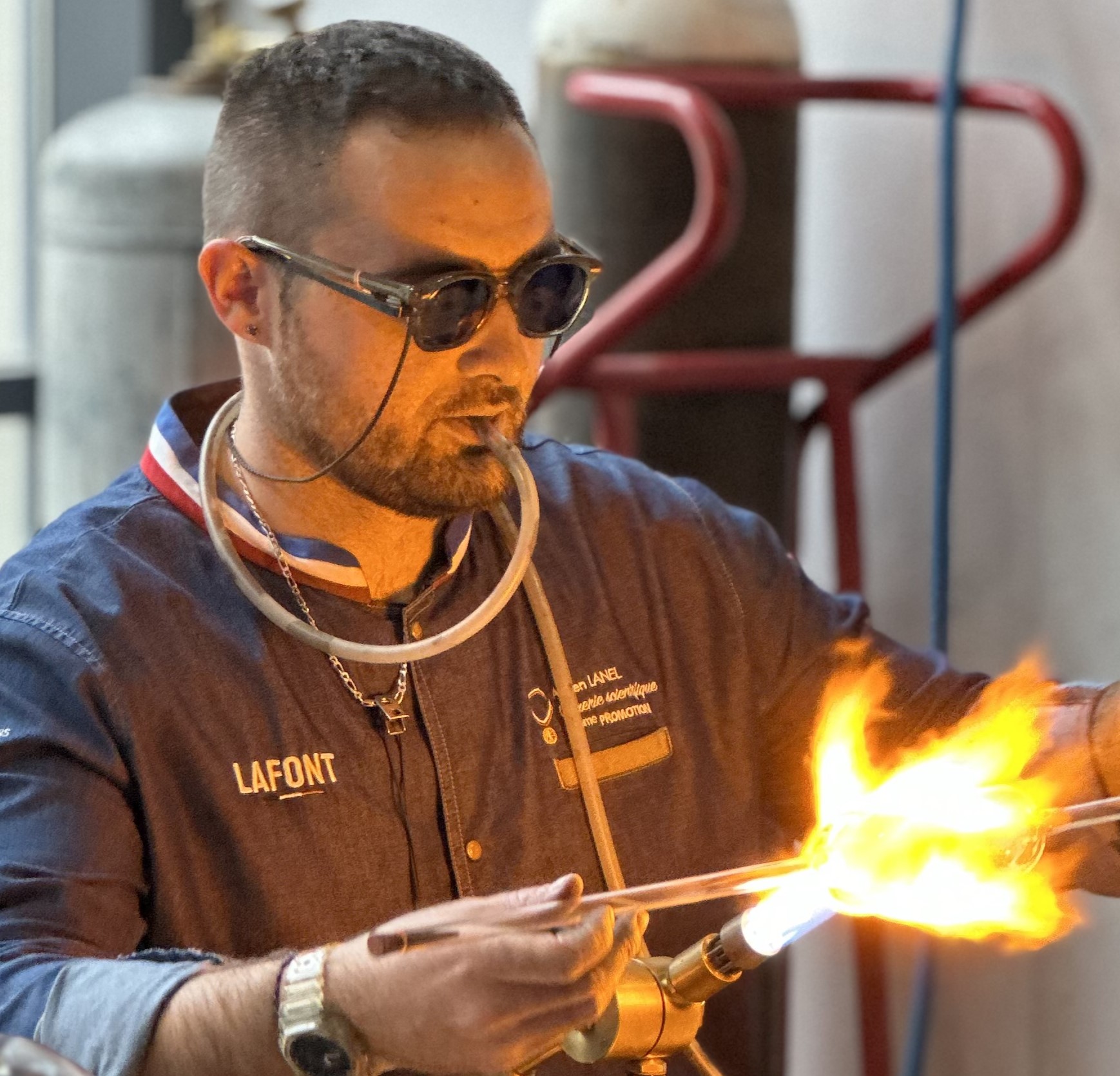 LANEL Adrien
adrien.lanel@ensicaen.fr+33(0) 2 31 45 28 33
Soufflage de verre Assistant engineer | SST | MOF 2023
LANEL Adrien
adrien.lanel@ensicaen.fr+33(0) 2 31 45 28 33
Soufflage de verre Assistant engineer | SST | MOF 2023
LAWAL Abubakar-muhammad
abubakar-muhammad.lawal@ensicaen.fr
Postdoctoral researcher | Visiteur(e)
 LECANU Marie-Françoise
marie-francoise.lecanu@ensicaen.fr+ 33 (0)2 31 45 28 14
ResponsableService Administratif Study engineer
LECANU Marie-Françoise
marie-francoise.lecanu@ensicaen.fr+ 33 (0)2 31 45 28 14
ResponsableService Administratif Study engineer
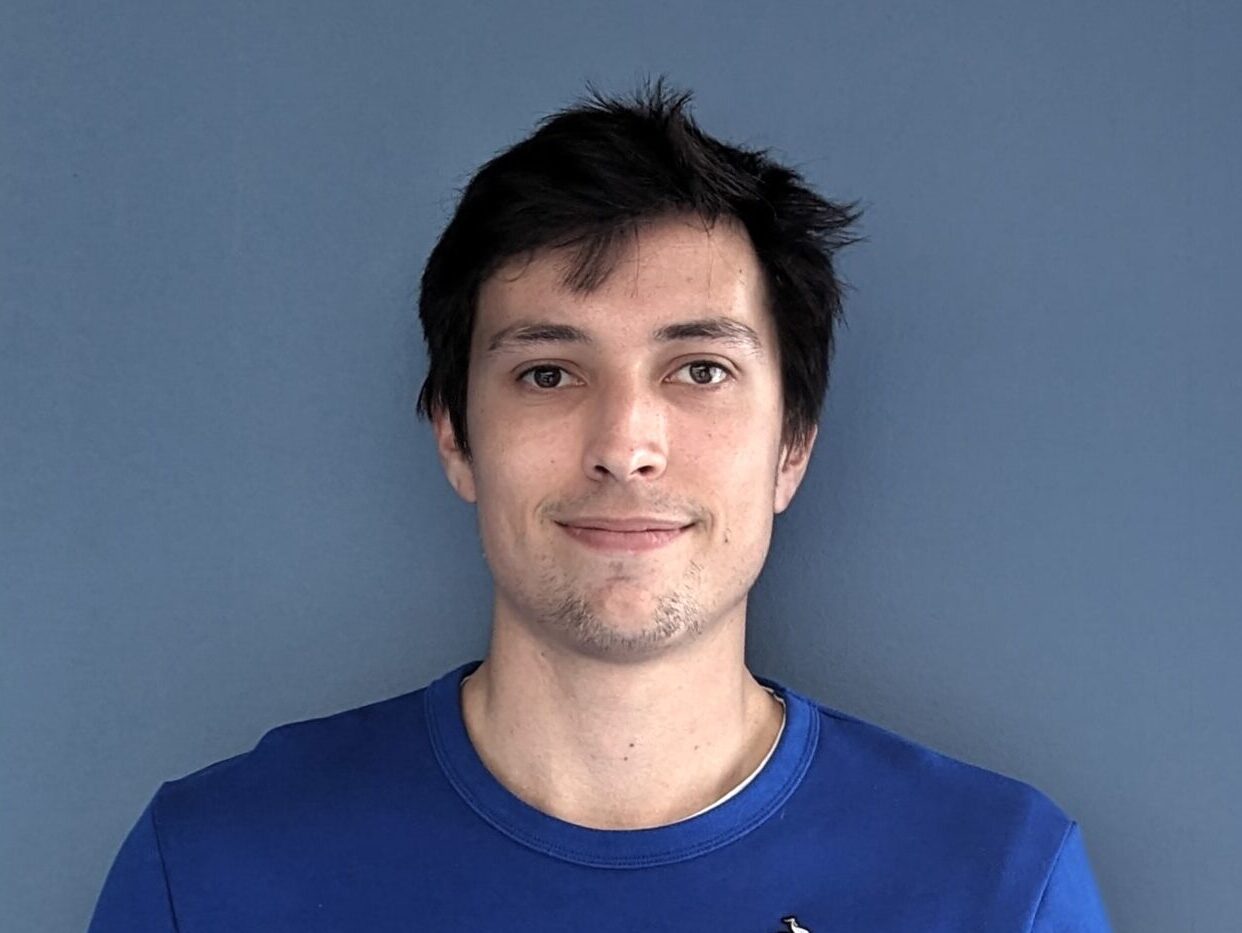
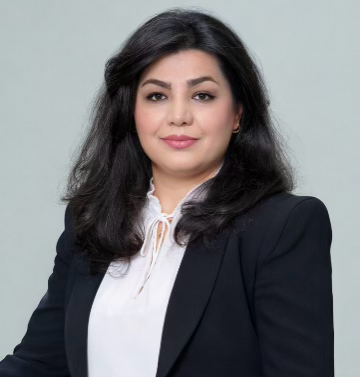 MALEKI Hajar (Homa)
hajar.maleki@ensicaen.fr
Chaire de Professeur Junior
MALEKI Hajar (Homa)
hajar.maleki@ensicaen.fr
Chaire de Professeur Junior #biomaterials#nanoporous-materials#theragenerative-systems
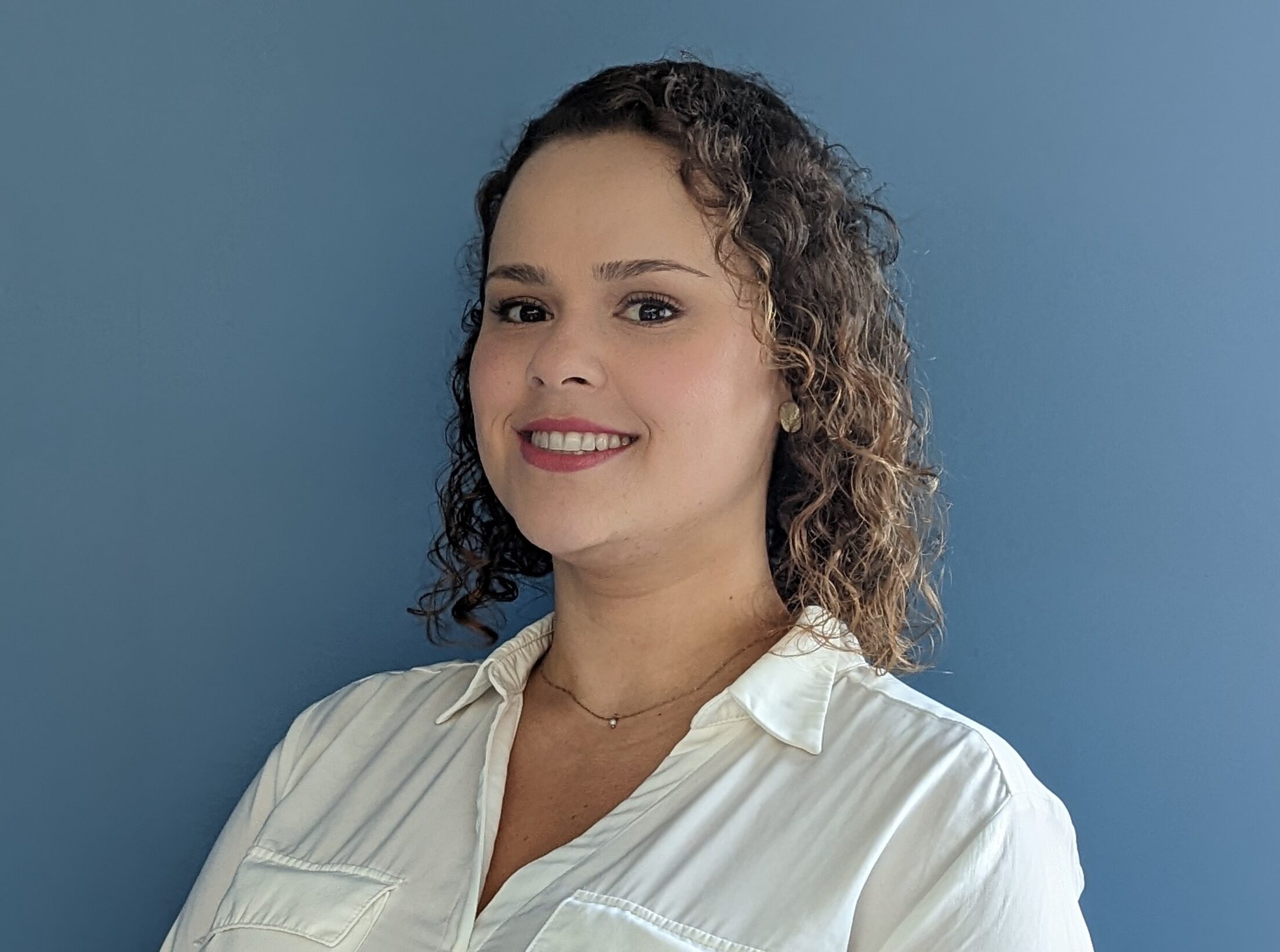
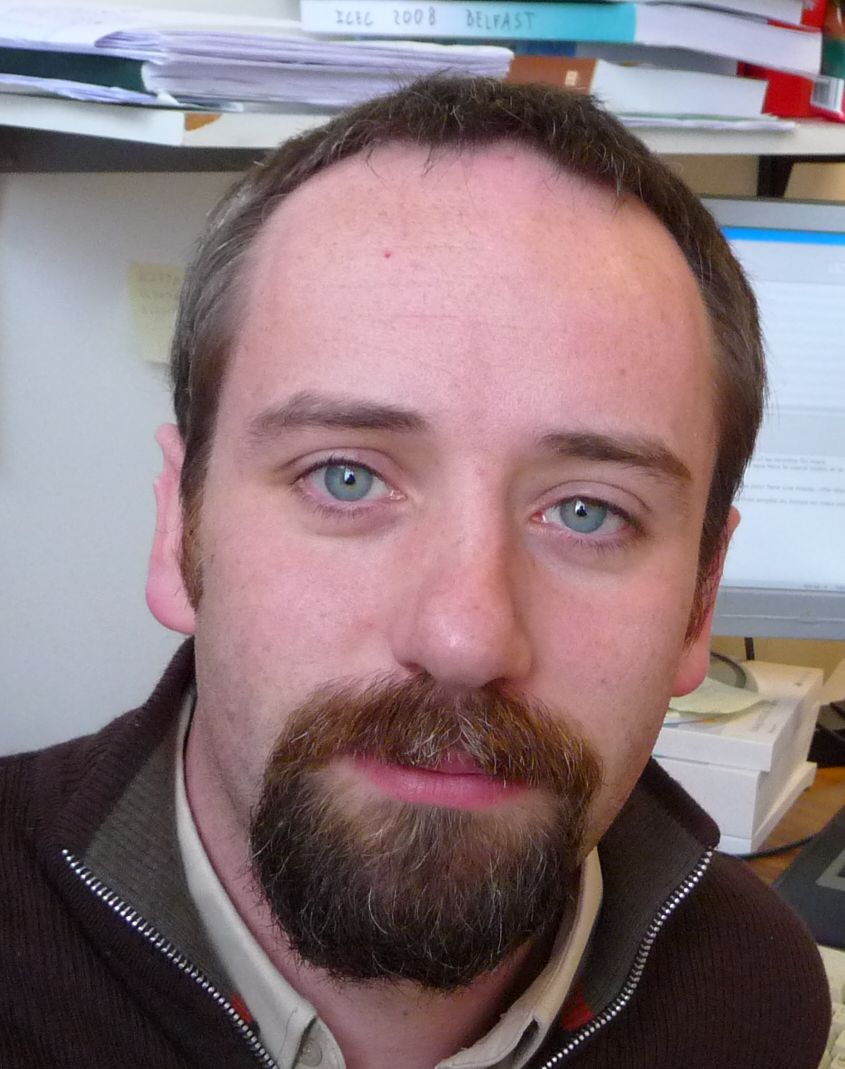
 MAUGÉ Françoise
francoise.mauge@ensicaen.fr+33 (0)2 31 45 28 24
Directrice de recherches | Emérite
MAUGÉ Françoise
francoise.mauge@ensicaen.fr+33 (0)2 31 45 28 24
Directrice de recherches | Emérite #adsorption#in-situ#ir-spectroscopy+1
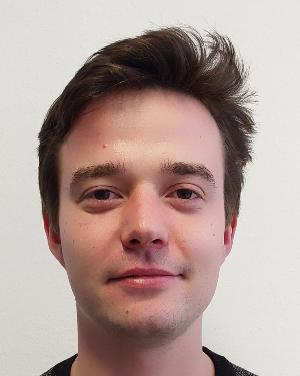
 MINTOVA Svetlana
svetlana.mintova@ensicaen.fr+ 33 (0)2 31 45 27 37
Zeolithes·Team leader Directrice de recherches
MINTOVA Svetlana
svetlana.mintova@ensicaen.fr+ 33 (0)2 31 45 27 37
Zeolithes·Team leader Directrice de recherches
MOHAMED Hamza
hamza.mohamed@ensicaen.fr
Doctorant invité
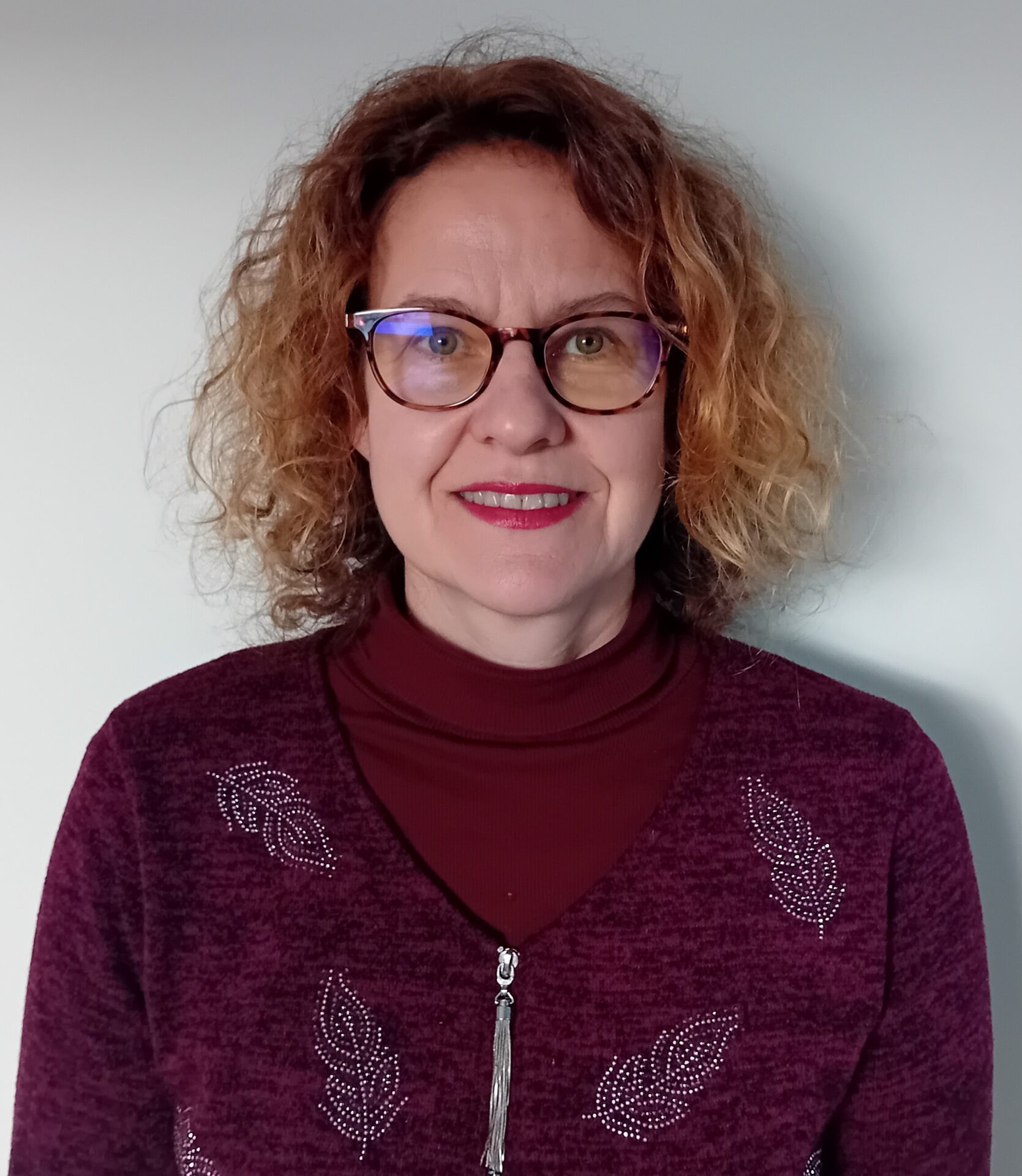 OLIVIERO Laetitia
laetitia.oliviero@ensicaen.fr+ 33 (0)2 31 45 27 31
Spectrocat·Adjoint(e) Professor
OLIVIERO Laetitia
laetitia.oliviero@ensicaen.fr+ 33 (0)2 31 45 27 31
Spectrocat·Adjoint(e) Professor #ir-spectroscopy
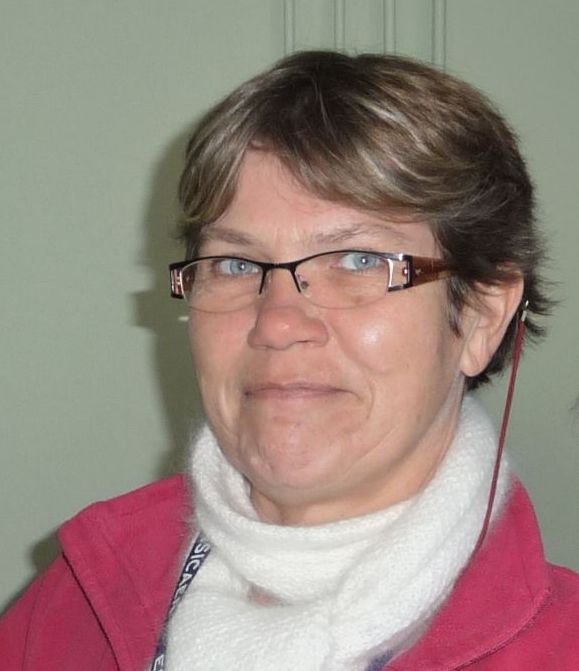 RABELLE Blandine
blandine.rabelle@ensicaen.fr+ 33 (0)2 31 45 28 36
Service Administratif Administrative officer
RABELLE Blandine
blandine.rabelle@ensicaen.fr+ 33 (0)2 31 45 28 36
Service Administratif Administrative officer
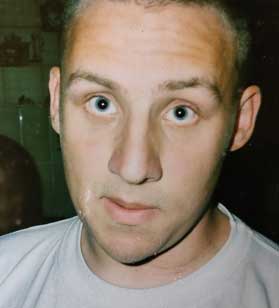 ROLAND Pascal
pascal.roland@ensicaen.fr+ 33 (0)2 31 45 27 36
Informatique & Réseaux Study engineer | SST | PSSM
ROLAND Pascal
pascal.roland@ensicaen.fr+ 33 (0)2 31 45 27 36
Informatique & Réseaux Study engineer | SST | PSSM #machine-learning#python
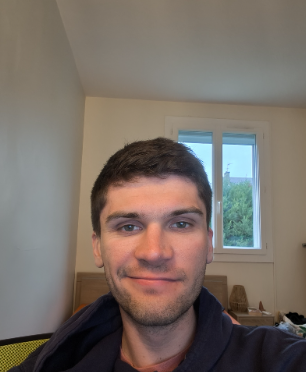

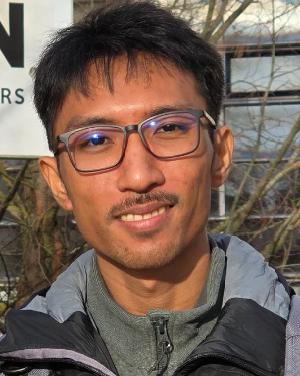
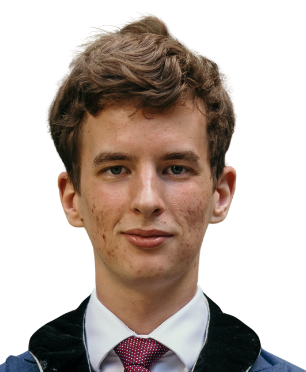
 THIBAULT-STARZYK Frederic
frederic.thibault-starzyk@cnrs.fr+ 33 (0)2 31 45 28 23
Directeur de recherches
THIBAULT-STARZYK Frederic
frederic.thibault-starzyk@cnrs.fr+ 33 (0)2 31 45 28 23
Directeur de recherches #ir-spectroscopy#plasmas#zeolites
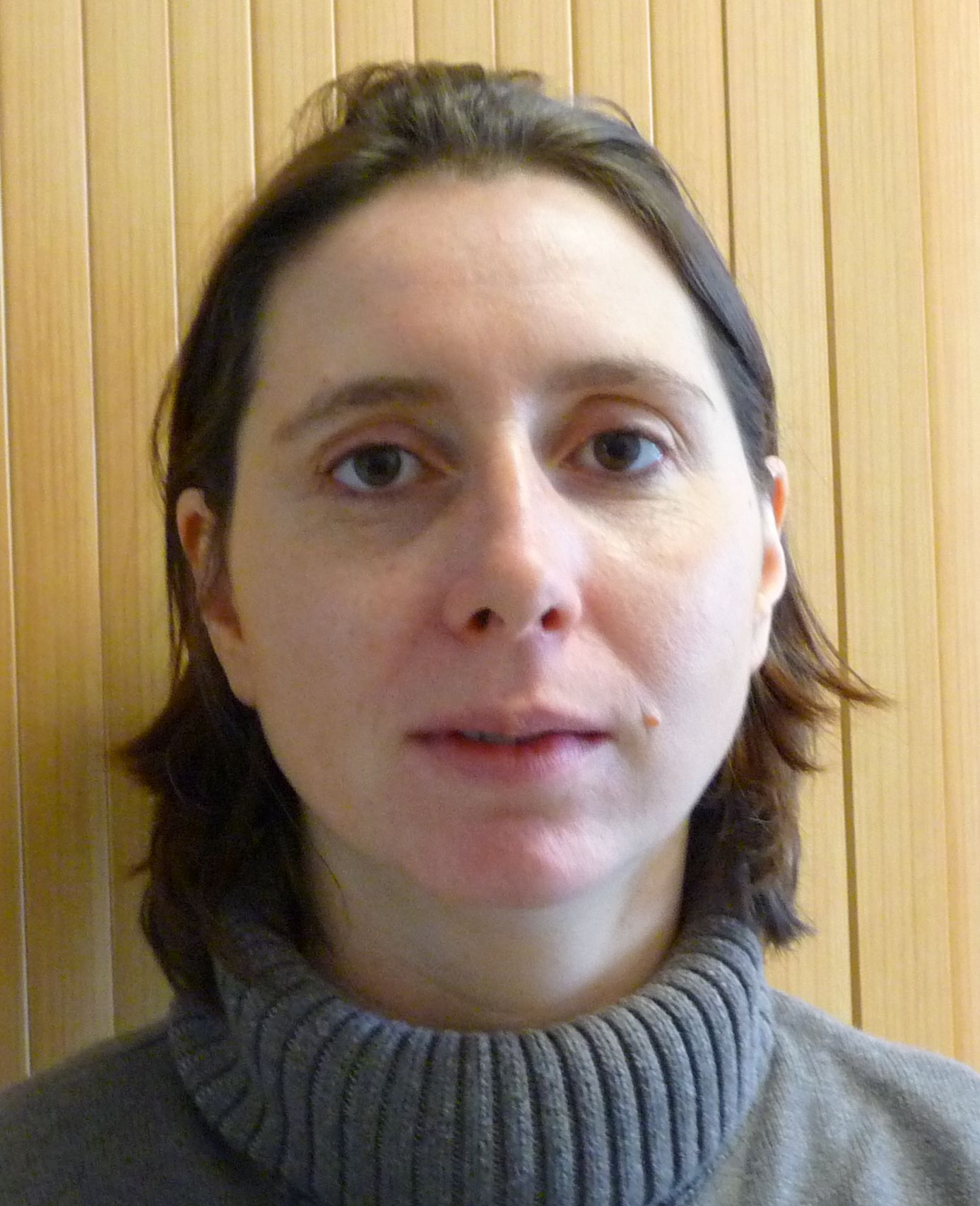
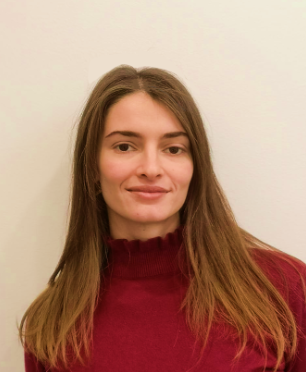
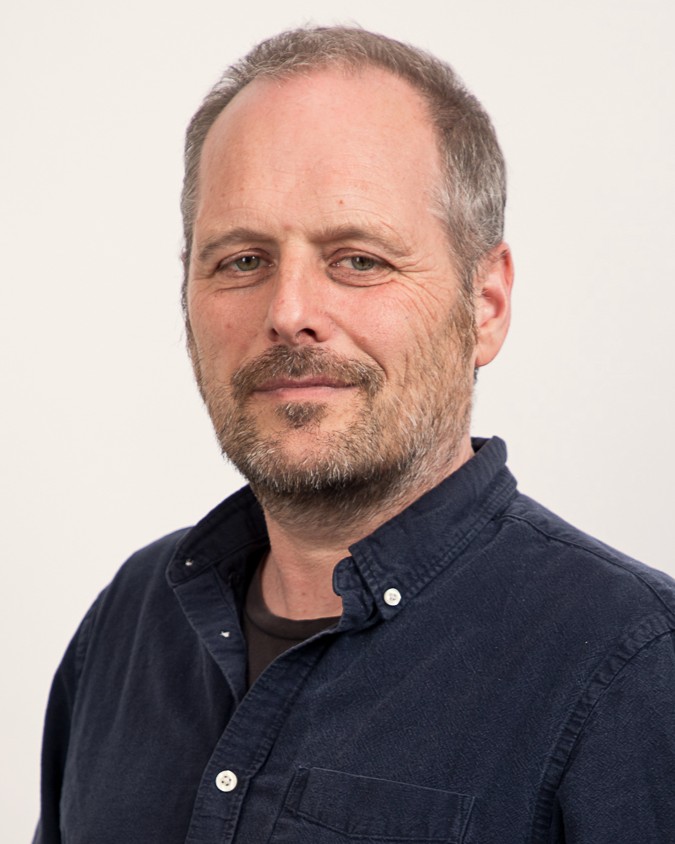 TRAVERT Arnaud
arnaud.travert@unicaen.fr+ 33 (0)2 31 45 28 23
Professor
TRAVERT Arnaud
arnaud.travert@unicaen.fr+ 33 (0)2 31 45 28 23
Professor #adsorption#chemometrics#heterogeneous-catalysis+3
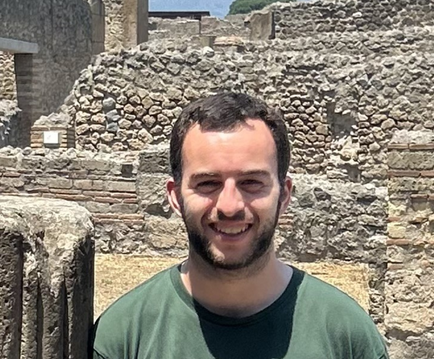
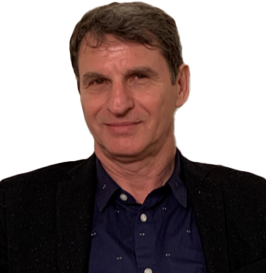 VALTCHEV Valentin
valentin.valtchev@ensicaen.fr+ 33 (0)2 31 45 27 33
Directeur de recherches | Emérite
VALTCHEV Valentin
valentin.valtchev@ensicaen.fr+ 33 (0)2 31 45 27 33
Directeur de recherches | Emérite
 VICENTE Aurélie
aurelie.vicente@ensicaen.fr+ 33 (0)2 31 45 28 16
Responsable | RMN Associate professor
VICENTE Aurélie
aurelie.vicente@ensicaen.fr+ 33 (0)2 31 45 28 16
Responsable | RMN Associate professor #porous-materials#solid-state-nmr
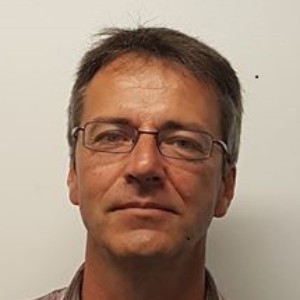 VIMONT Alexandre
alexandre.vimont@ensicaen.fr+ 33 (0)2 31 45 13 47
Visio Research engineer
VIMONT Alexandre
alexandre.vimont@ensicaen.fr+ 33 (0)2 31 45 13 47
Visio Research engineer #in-situ#ir-spectroscopy
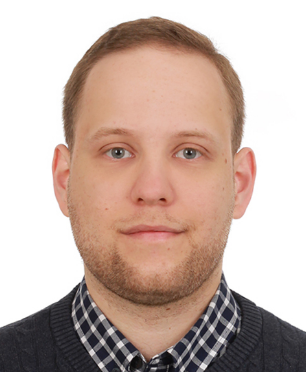
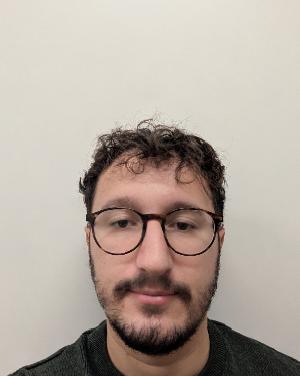
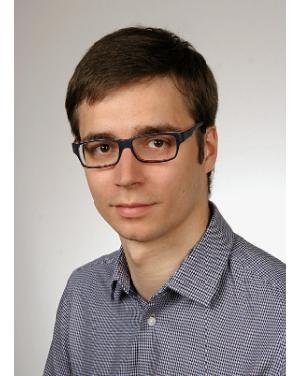
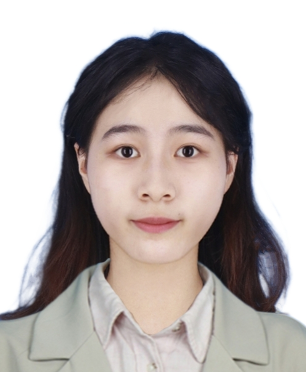
Membres Historique (23)
#sulfide-catalysts
#ir-spectroscopy
#catalysis
#catalysis
#catalysis#ir-spectroscopy
#catalysis
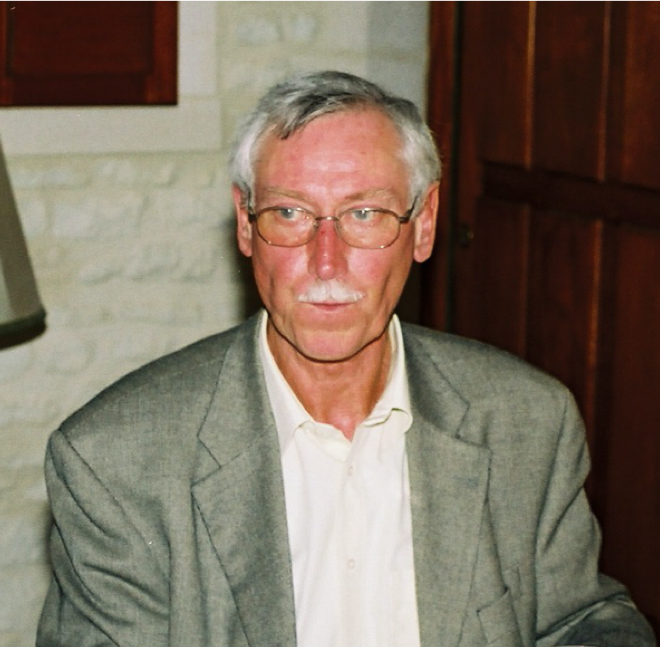 DUCHET Jean-Claude
Professor
DUCHET Jean-Claude
Professor
 FERNANDEZ Christian
Professor
FERNANDEZ Christian
Professor
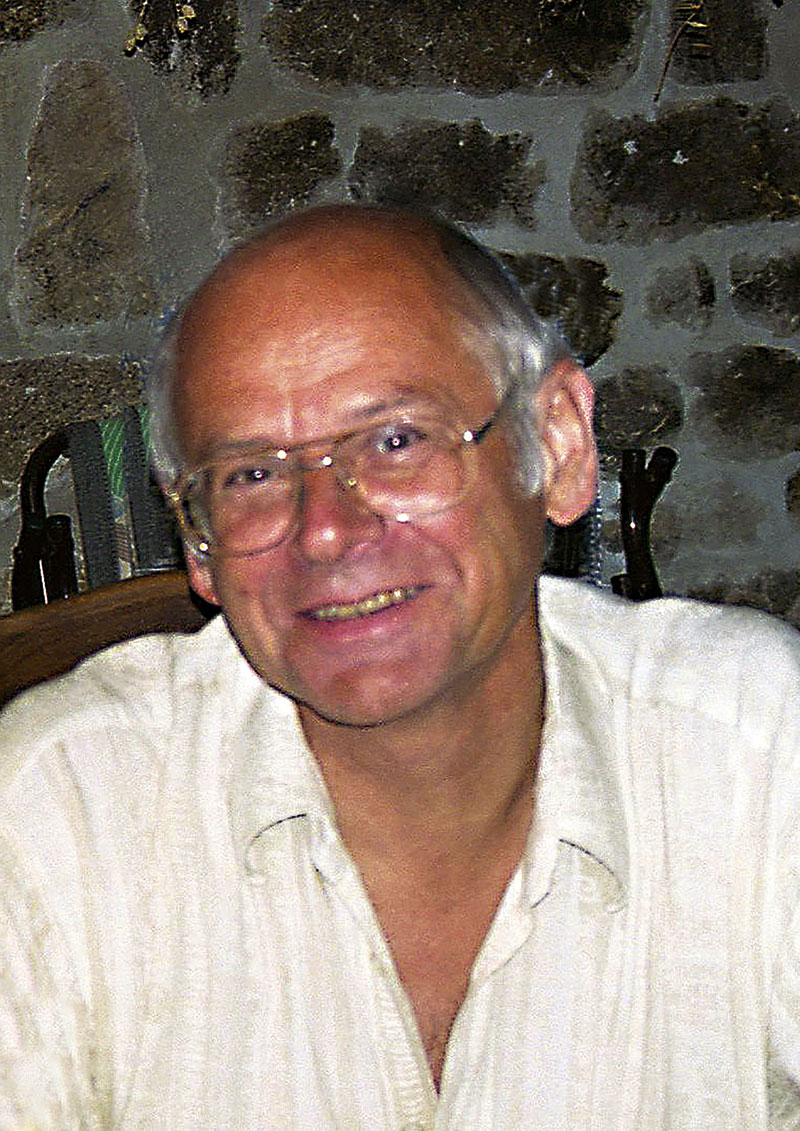 GALLAS Jean-Paul
Associate professor
GALLAS Jean-Paul
Associate professor #ir-spectroscopy
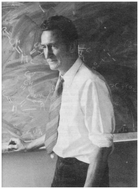 GAULT Francois
Professor
GAULT Francois
Professor #catalysis
 GOUPIL Jean-Michel
Associate professor
GOUPIL Jean-Michel
Associate professor
#ir-spectroscopy
#ir-spectroscopy
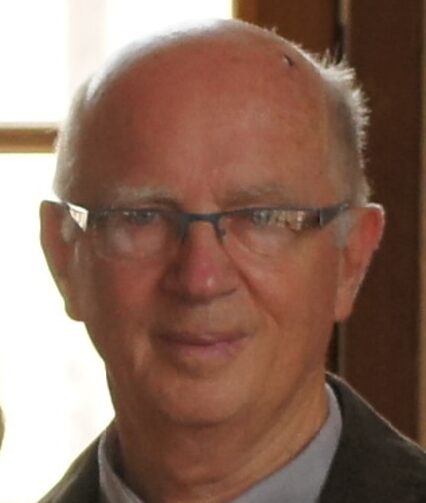 LAVALLEY Jean-Claude
Directeur de recherches
LAVALLEY Jean-Claude
Directeur de recherches #ir-spectroscopy
#catalysis
 QUILLARD Jacques
Assistant engineer
QUILLARD Jacques
Assistant engineer #adsorption#catalysis
#ir-spectroscopy
#ir-spectroscopy
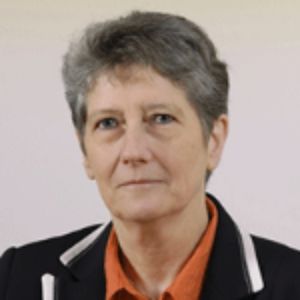 TRAVERT Josette
Professor Présidente de l’Université de Caen
TRAVERT Josette
Professor Présidente de l’Université de Caen
#ir-spectroscopy
 Van GESTEL Jacobus
Associate professor
Van GESTEL Jacobus
Associate professor #catalysis
Alumni (55)
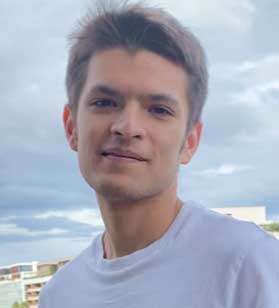
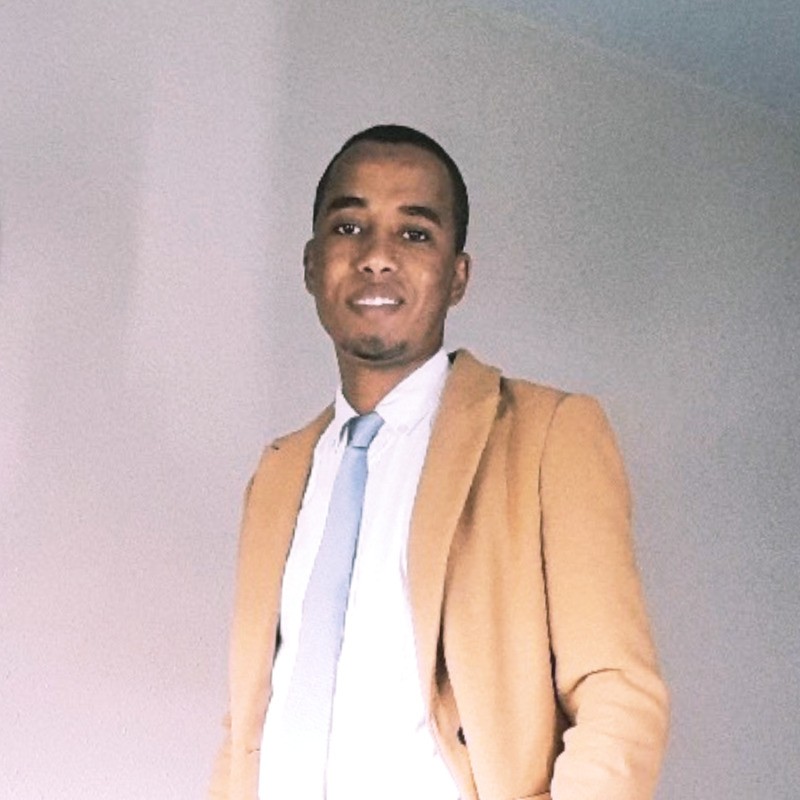







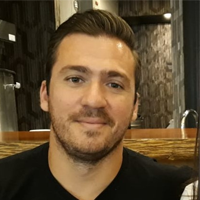
QIUYU
Postdoctoral researcher
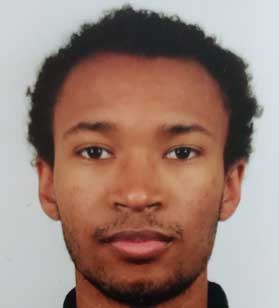


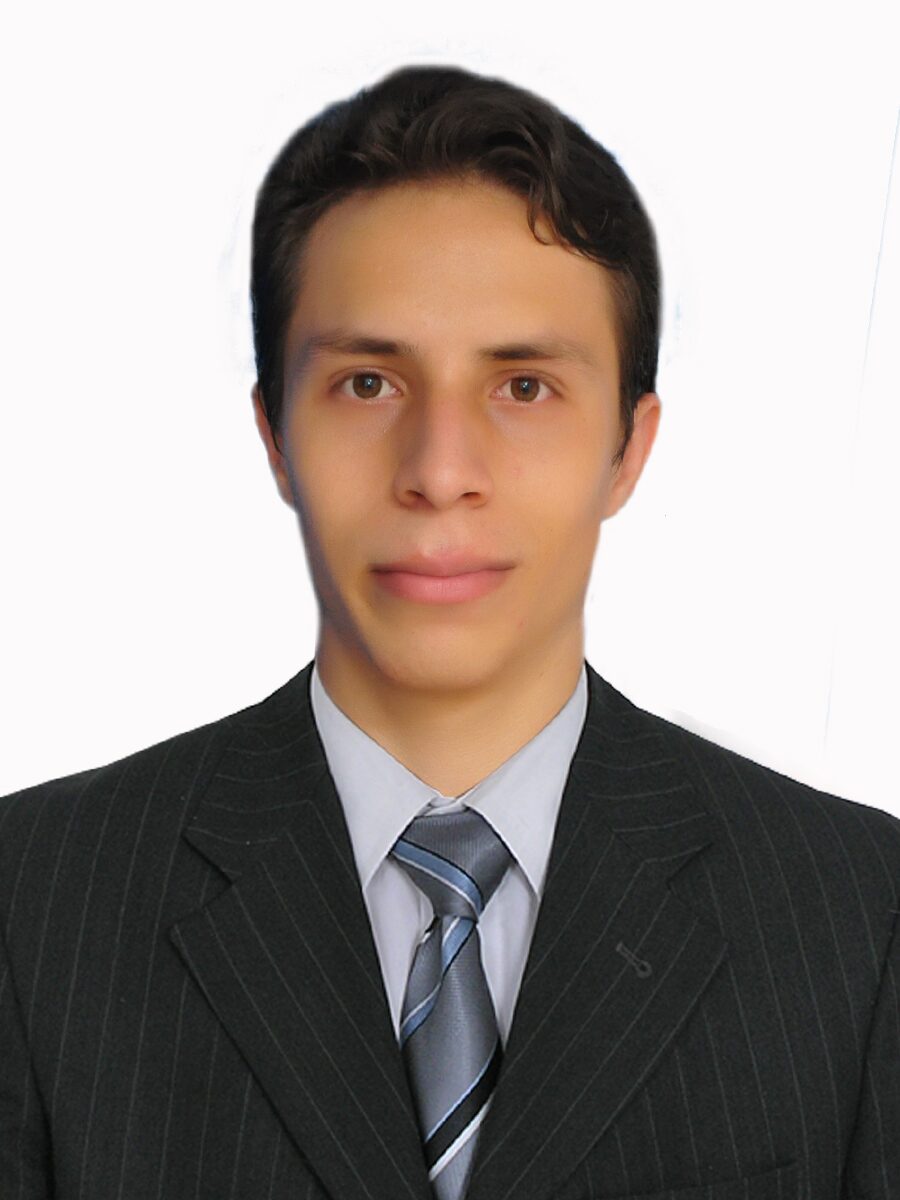 VALDERRAMA-ZAPATA Rodrigo
rodrigo.valderrama-zapata@ensicaen.fr
PhD student
LinkedIn
ResearchGate
Google Scholar
Scopus
ORCID
VALDERRAMA-ZAPATA Rodrigo
rodrigo.valderrama-zapata@ensicaen.fr
PhD student
LinkedIn
ResearchGate
Google Scholar
Scopus
ORCID






No member matches this search.